
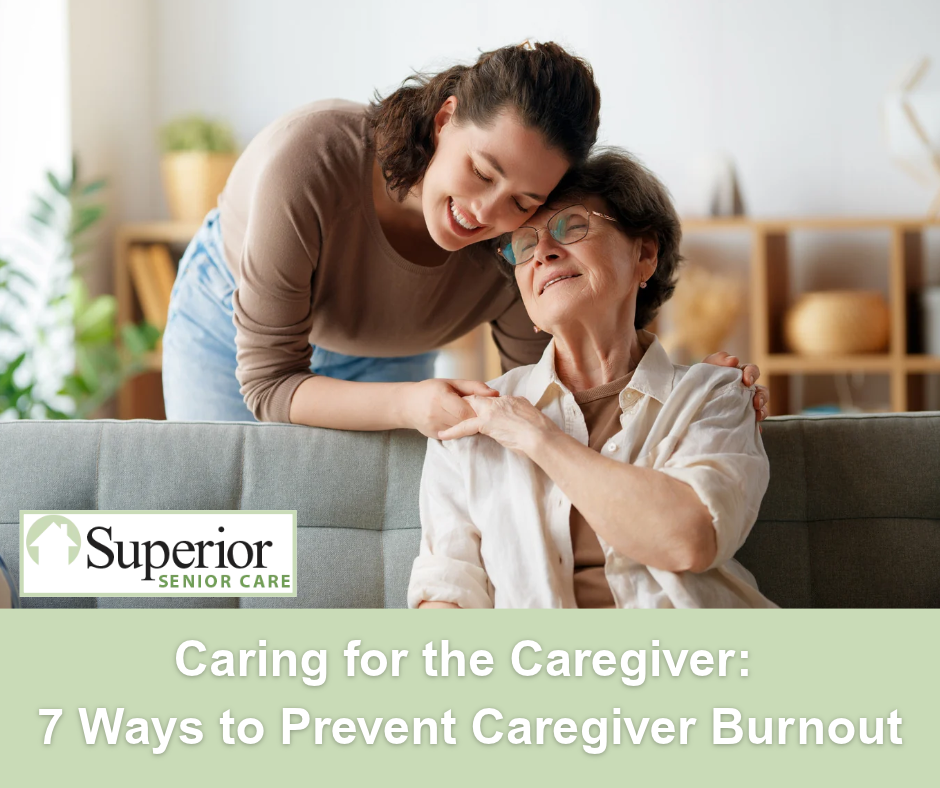
Caring for an aging parent, spouse, or loved one can be one of the most meaningful things you’ll ever do. It can also be one of the most challenging. Between managing appointments, preparing meals, helping with daily activities, and balancing your own responsibilities, caregiving can quickly become a full-time job.
For many family caregivers, taking care of someone else becomes the priority, while their own physical and emotional needs get pushed to the back burner. Over time, the constant demands of caregiving can lead to exhaustion, stress, and burnout.
November is National Family Caregivers Month, a time to recognize the millions of people who dedicate themselves to caring for loved ones. The 2026 theme, “Care Connects Us,” highlights the importance of connection, community, and access to support throughout the caregiving journey. This month, we’re sharing seven ways family caregivers can protect their own well-being, find support, and make caregiving more manageable. Because caring for someone you love shouldn’t mean forgetting to care for yourself.
1. Recognize the Signs of Caregiver Stress and Burnout
Caregiver burnout can develop gradually, making it difficult to recognize until you’re already feeling overwhelmed. Between daily responsibilities and the emotional demands of caring for a loved one, it’s easy to overlook your own needs.
Signs of caregiver stress may include:
- Feeling constantly exhausted, even after resting
- Becoming easily frustrated, irritable, or overwhelmed
- Having trouble sleeping
- Losing interest in activities you once enjoyed
- Feeling isolated or disconnected from friends and family
- Experiencing frequent worry, sadness, or anxiety
- Neglecting your own health and personal appointments
Recognizing these signs is an important first step. If caregiving is beginning to affect your physical or emotional health, it may be time to ask for additional support. You don’t have to wait until you’re completely overwhelmed to make a change.
2. Make Time for Rest and Self-Care
When you’re responsible for someone else’s well-being, taking time for yourself can sometimes feel selfish. But rest and self-care aren’t luxuries; they’re important parts of maintaining your own health and being able to continue caring for someone else.
Start with small, manageable ways to recharge throughout the day. Take a short walk, enjoy your morning coffee without distractions, read a few pages of a favorite book, or spend time doing something you enjoy. Try to maintain regular meals, stay hydrated, and prioritize getting enough sleep.
Even a few minutes of quiet time can help you reset. Remember, taking care of yourself isn’t taking time away from your loved one. It’s helping ensure you have the energy and emotional capacity to continue showing up for them.
3. Don’t Be Afraid to Ask for Help
One of the biggest challenges family caregivers face is feeling like they have to handle everything themselves. You may worry about inconveniencing others or feel that no one else can provide the same level of care. However, caregiving doesn’t have to fall on one person’s shoulders.
Reach out to siblings, relatives, friends, or trusted neighbors and ask for help with specific tasks. Someone might be able to pick up groceries, prepare a few meals, provide transportation to appointments, sit with your loved one for an afternoon, or help manage household responsibilities.
Instead of waiting for someone to offer, try making a list of tasks that could be shared. Even small contributions from others can make a meaningful difference and give you more time to rest and recharge.
4. Connect With Other Family Caregivers
Caregiving can sometimes feel lonely, especially when friends and family members don’t fully understand what you’re experiencing. Connecting with others who have been in similar situations can provide encouragement, understanding, and a sense of community.
Caregiver support groups offer a place to share experiences, ask questions, exchange practical advice, and talk openly about the challenges of caring for a loved one. You may find local groups through hospitals, community organizations, faith communities, or senior service organizations. Online support groups can also be helpful if getting out of the house is difficult.
You don’t have to navigate every challenge alone. Sometimes, talking with someone who understands exactly what you’re going through can make a difficult day feel a little more manageable.
5. Consider Respite Care
Everyone needs a break, including family caregivers. Respite care provides temporary relief by allowing another qualified caregiver to step in and assist with your loved one’s needs while you take time for yourself.
Depending on your family’s needs, respite care may be arranged for a few hours, an afternoon, or on a recurring schedule. This time can allow you to attend appointments, run errands, spend time with family and friends, catch up on rest, or simply enjoy a little time away from caregiving responsibilities.
Professional in-home respite care can be especially helpful because your loved one receives support in the comfort and familiarity of home. Accepting help doesn’t mean you’re doing less for your loved one. It means you’re building a support system that makes caregiving more sustainable.
6. Set Realistic Expectations and Give Yourself Grace
It’s easy for family caregivers to feel like they’re never doing enough. You may have a long list of responsibilities, but there are only so many hours in a day. Trying to manage everything perfectly can lead to unnecessary stress and frustration.
Remember that you don’t have to do everything yourself, and not every task needs to be completed immediately. Focus on what’s most important, break larger responsibilities into smaller steps, and recognize that some days will be more challenging than others.
Be patient with yourself and celebrate the small victories. Whether it’s helping your loved one enjoy a favorite meal, getting through a busy day, or simply sharing a meaningful conversation, those moments matter. Caregiving is a journey, and doing your best is enough.
7. Recognize When Your Loved One May Need More Support
Sometimes, caregiver burnout is a sign that the level of care your loved one needs has become more than one person can reasonably manage. As older adults experience changes in mobility, health, or daily living needs, family caregivers may find themselves taking on more responsibilities than they originally expected.
This can become especially noticeable during the holiday season. Family gatherings often bring relatives together who may not have seen one another in several months. During these visits, family members may notice changes in an aging parent’s appearance, personal hygiene, household upkeep, eating habits, or ability to move around safely. They may also realize that the primary family caregiver is exhausted or struggling to keep up with daily responsibilities.
These observations can be an opportunity for families to have an open conversation about additional support. Consider discussing which tasks have become difficult, what kind of assistance would make everyday life easier, and how family members can work together to create a care plan.
In-home care can provide extra assistance with companionship, meal preparation, personal care, light housekeeping, transportation, and other daily activities. It can also give family caregivers peace of mind and more time to focus on their own well-being.
Caring for Others Starts With Caring for Yourself
This National Family Caregivers Month, take a moment to recognize the time, patience, and love that family caregivers give every day. Your dedication matters, but so does your well-being.
Remember that asking for help is not a sign of failure. Taking a break, leaning on family and friends, and accepting professional support can help you continue caring for the people you love without sacrificing your own health and happiness.
If you or someone in your family could benefit from additional in-home care support, contact your local Superior Senior Care office. We’re here to help you and your loved one navigate the caregiving journey together.
How Superior Senior Care Can Help Family Caregivers
Caring for an aging loved one is an act of love, but that doesn’t mean you have to do it alone. Having the right support system can make a meaningful difference for both seniors and the family members who care for them.
At Superior Senior Care, we understand the challenges families face when caring for an aging parent or loved one. Our network of compassionate caregivers provides personalized in-home support designed to help seniors remain safe, comfortable, and independent at home.
Services may include companionship, personal care, meal preparation, light housekeeping, transportation assistance, respite care, and more. Whether your loved one needs a few hours of assistance each week or more ongoing support, we can help families explore care options that fit their needs.
Are you looking for an In-Home Caregiver ?
Superior Senior Care is Arkansas’s oldest, most trusted name in in-home care services. We prioritize your peace of mind. We offer referrals for a variety of levels of elderly care and services, with both short and long-term options. All the senior caregivers on our registry undergo thorough screenings and comprehensive background checks. And they are trained to work with clients in everything from household duties to grocery shopping. We’ve helped families with a variety of chronic conditions including dementia, Alzheimer’s disease, arthritis, Parkinson’s disease, lung disease and more.
As the first accredited registry in Arkansas, we have more than 35 years of experience and thousands of happy customers. Access to our large client registry means stability for you and the best chance to match you with just the right family.

Home Health Services
For more information on our home health services offerings, please contact us today.

Caregiver Registry
Interested in becoming a caregiver on our registry? Fill out and electronically submit our pre-screening referral application.